
615 953-0767
615 953-0767

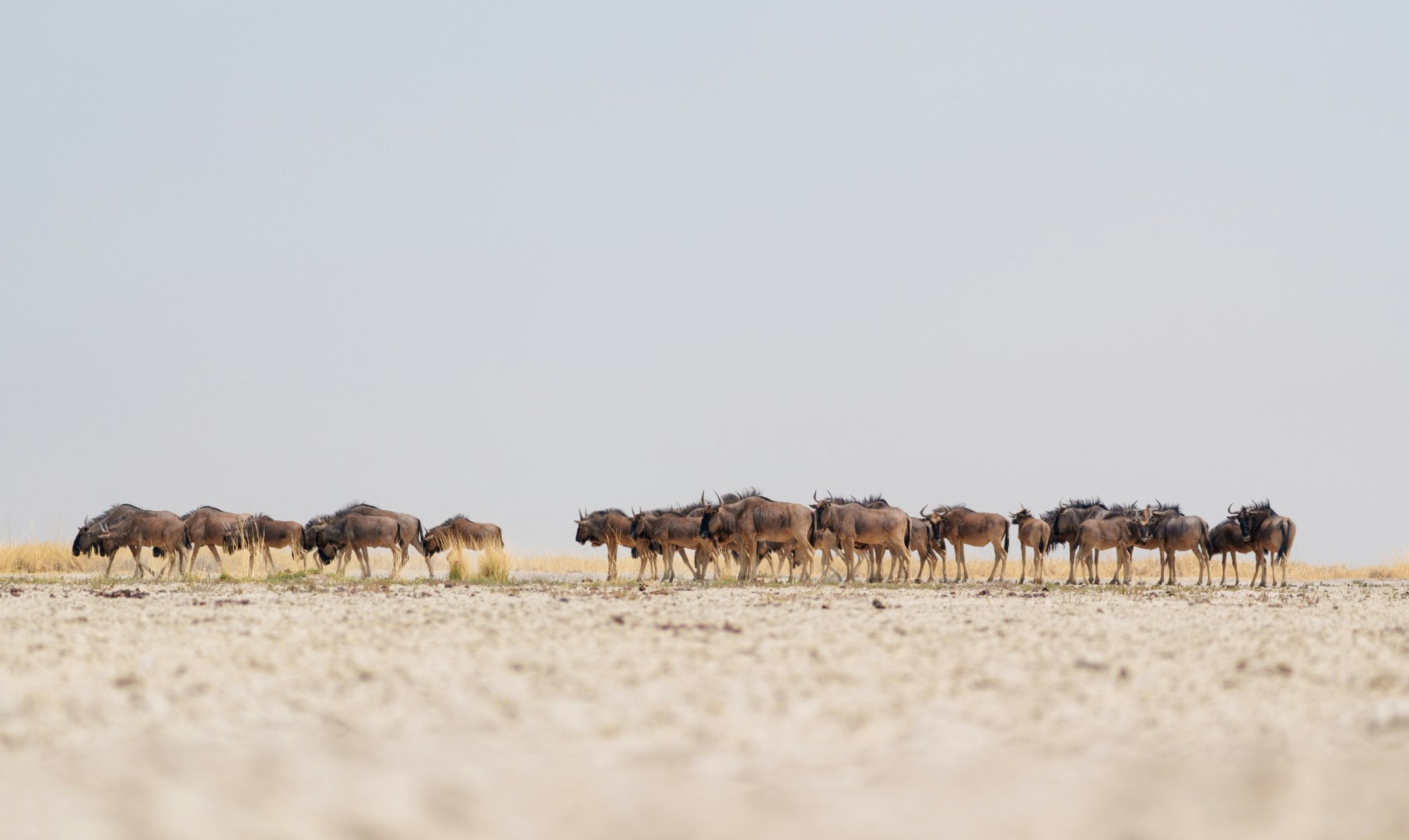
Makgadikgadi Pans National Park lies in northeastern Botswana and forms part of one of the largest salt flat systems in the world. The landscape is defined by wide open pans, sandy tracks, grasslands, and scattered baobab trees that rise from the dry terrain. During the dry season, the pans appear almost white under the sun, while seasonal rains transform parts of the area into shallow wetlands. The park is less densely visited than many southern African safari destinations, giving it a quieter atmosphere and long stretches of undeveloped wilderness.
The region has deep cultural connections to the San people, whose knowledge of survival in arid environments remains an important part of Botswana’s heritage. Traditional tracking skills, storytelling, and understanding of animal movement continue to influence local guiding practices. Communities near the pans have historically relied on cattle farming and seasonal migration routes shaped by water availability. Archaeological findings in the broader Makgadikgadi Basin also suggest that the area has supported human activity for thousands of years, with fossil discoveries and ancient shorelines revealing evidence of an earlier inland lake system.
The park’s environment changes dramatically throughout the year. In the rainy season, large herds of zebra and wildebeest move through the region during one of Africa’s major animal migrations. Flamingos and pelicans gather in seasonal pools formed across the pans, while predators such as lions, cheetahs, and brown hyenas follow grazing animals into the grasslands. Nxai Pan, often visited together with Makgadikgadi, is known for its open plains and the Baines’ Baobabs, a group of large trees painted by explorer Thomas Baines. The flat horizon and minimal light pollution also make the area well known for night sky viewing.
Food in camps and nearby villages often includes Botswana staples such as seswaa, a slow-cooked shredded beef dish, along with maize porridge and grilled meats. Local guides sometimes introduce visitors to edible plants and survival techniques traditionally used in the Kalahari environment. One unusual feature of the Makgadikgadi region is the presence of meerkat colonies that have become accustomed to human observers in certain research and tourism areas. Another distinctive element is the seasonal contrast between dry salt crusts and flood-filled plains, which can completely alter travel conditions and wildlife movement within a few months.